
Watching The Celluloid Closet, I was surprised to see the amount of LGBT representation in early cinema. From subtle references through dance numbers to blatant kisses between two women. It was intriguing to think that gay characters have been around since the early days of film. If there have been gay characters in film since the silent era, why is there not more representation in mainstream cinema?
The answer is censorship. In 1934, an organization was formed called the Catholic Legion of Decency. This Catholic organization had a petition signed by nearly 10 million Catholics that vowed: “to refrain from viewing all objectionable movies or attending any theater that showed such films.” With the risk of losing that amount of audience members, the movie moguls of the time met together and formed the PCA (Production Code Authority) to censor their films and work closely with the Legion of Decency.

The Lost Weekend
With the PCA, films had to follow certain guidelines and one of those was the absence of LGBT characters because it did not line up with the Catholic belief. Something that bothered me that I discovered from this documenter is that movie adaptations of books with LGBT characters changed the LGBT storylines. The Lost Weekend is a novel about an alcoholic who is questioning his sexuality but when they made it into a movie, they took the bisexual element out of the story. Instead, the story became about an alcoholic writer overcoming writer’s block. The blatant switch of story structure from an LGBT story to a story about a writer is an upsetting example of suppressing gay characters.
I do not understand why people believe gay characters should be censored. If anything, it makes them more interesting characters. Another example of the PCA turning LGBT stories into something else is the film Crossfire. Originally centered around a homophobic soldier who kills a gay veteran, once it went through the PCA, it became about an anti-Semitic soldier who kills a Jewish war veteran. This change happened because the Legion of Decency did not find LGBT characters suitable for society, thus creating a separation between members of the LGBT community and the media.
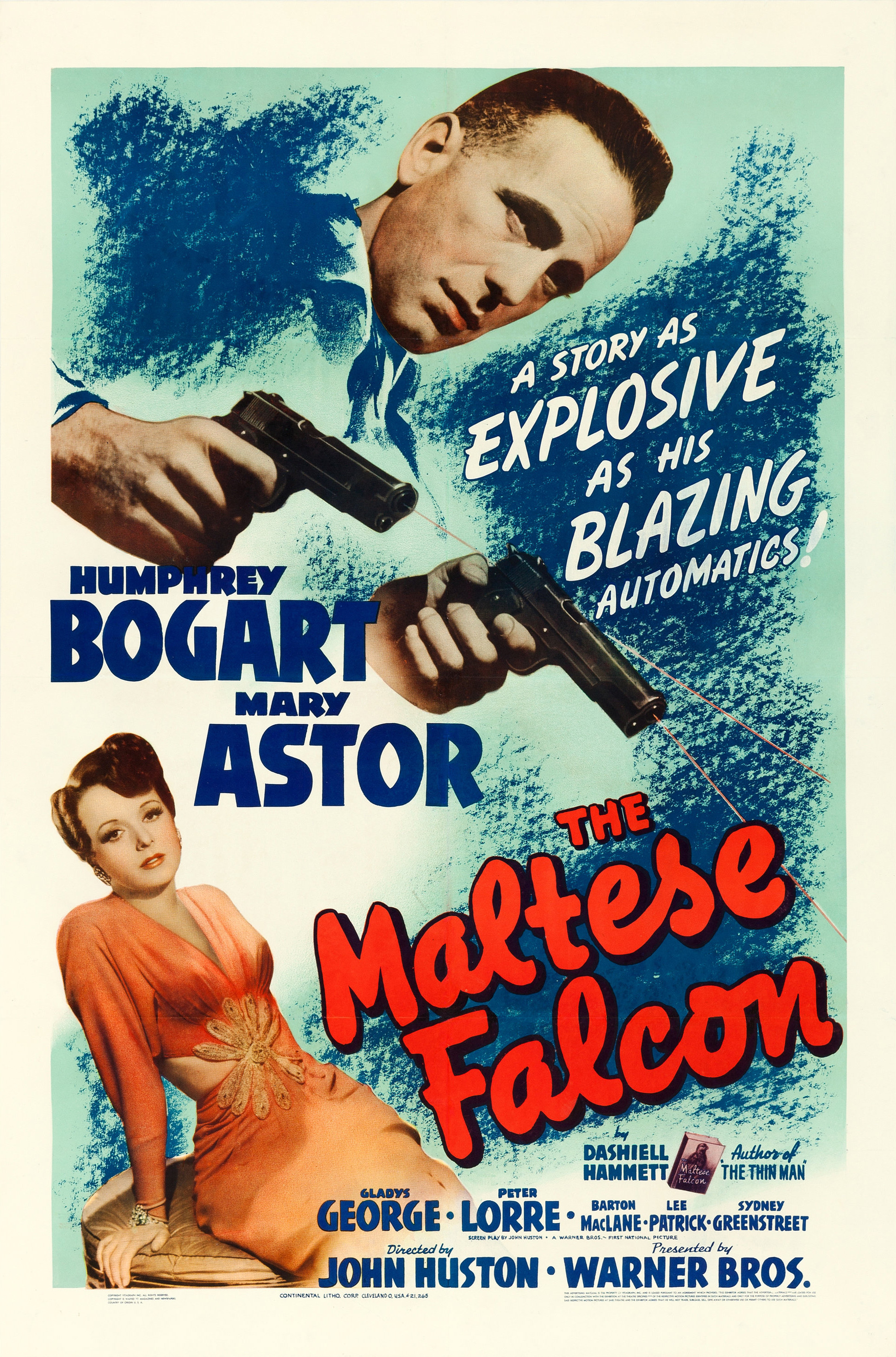
After the censorship began, gay characters were never able to be expressed genuinely. A smart way directors and writers added gay characters into their films had to be nuanced and subtle. I love the Maltese Falcon and I had no idea he was gay. The movie said that the book described him as “obviously queer” but the film was not allowed to explore that aspect. Instead, they had to reference it in sly ways like a man waiting outside for the main character who wears perfume and the way they interact with each other. To the untrained eye, one would not catch the references but if you know they are there, you will find them.
It upsets me to think that gay characters have been around for one hundred years but because of people’s beliefs that LGBT people are wrong. Imagine where we could be as a society if LGBT characters were not censored from films. We have slowly begun to progress but there has been such a long-stagnant growth of LGBT representation due to the PCA.
 Film, Gender, Sexuality
I really like that you chose to talk about censorship, it was a truly interesting look into why these depictions of the LGBTQ+ community were left out for quite some time. You gave some really valuable information with the Production Code Authority (PCA) and the guidelines set up. I personally didn’t know what the PCA was and I found the information you gave very informational. I really enjoyed your film examples and the analysis you gave, especially with The Maltese Falcon and how the film makers changed the storyline from the book. It’s quite infuriating and you did a great job in explaining the differences between the book description of the character and the movie depiction of the character. I completely agree with you that the discrepancies between reality and film representation are frustrating and you did a great job with examples. I really enjoyed reading this!
LikeLiked by 1 person
I related to what you had to say a whole lot! As a queer person, I was shook by how many old examples of queer representation there are in film, both in a direct way (before the censorship) and in a subtextual way (after the censorship). Book to film adaptations erasing queer characters is an old tradition that unfortunately still exists. Fortunately, there are a lot more voices now, so it’s not as blatant as your examples back in the day. It’s very sad to see these films get turned into something completely different just because the subject used to be about queer issues. It makes us out to be a darkness to be snuffed out. Thankfully we have a lot more positive influences now pushing us away from queer-erasure, and calling it out when it happens.
LikeLiked by 1 person
I was also fascinated by the censorship of queer characters in film! While I knew gay characters weren’t common (and I had not actually known the extent of their existence prior to watching the Celluloid Closet) I had thought it was because Hollywood focused so hard on heteronormative, white, masculine stories. I hadn’t known they were openly censoring queer plots and characters.
LikeLiked by 1 person
I like your thoughts on the censorship of gay characters in film! I think it was well thought out, and I appreciate that you gave a little more information on the PCA (even after watching The Celluloid Closet, I was still a little confused about it). Apart from the white, heteronormative, Christian narrative that dominated the United States society at that point in time (and still does, to some extent), what kind of narratives do you think allow such censorship to take place? One of things I often hear in reference to the LGBTQ+ community is that it’s seen as a “sin” in religious circles. Even with nonreligious audiences, it seems that harmful idea has some influence. Even without institutions like the PCA, do you think our society still censors LGBTQ+ characters in film simply due to their prejudices?
LikeLiked by 1 person